Training teachers in Madagascar

My logo!!

(Robert MacGregor Teacher training centre)

A month ago I packed my life into a few bags, said goodbye to my crewmates and friends and headed into our port city in a landrover.

Lots happened in the preparation for departure. Students sat their final exams and achieved pleasing results. I tidied up the science department, ordered new toys for the new teacher and secured for sea. The hospital and land buildings were packed up and stowed for sea, and our vehicles lifted onto deck and secured. Lots of people left and our fine year 12 students graduated.
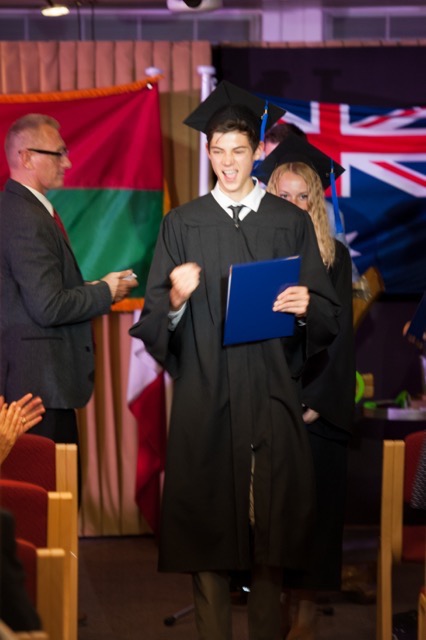
Graduation on a ship.

Graduation on a ship.

Wesley (above) who has lived almost his whole life on ship graduated and is off to the USA to study next year. Bendik returned from Norway to complete his second last year of study with his best mate Wesley, and will finish school in Norway. And Annabelle is returning to Australia for a gap year.

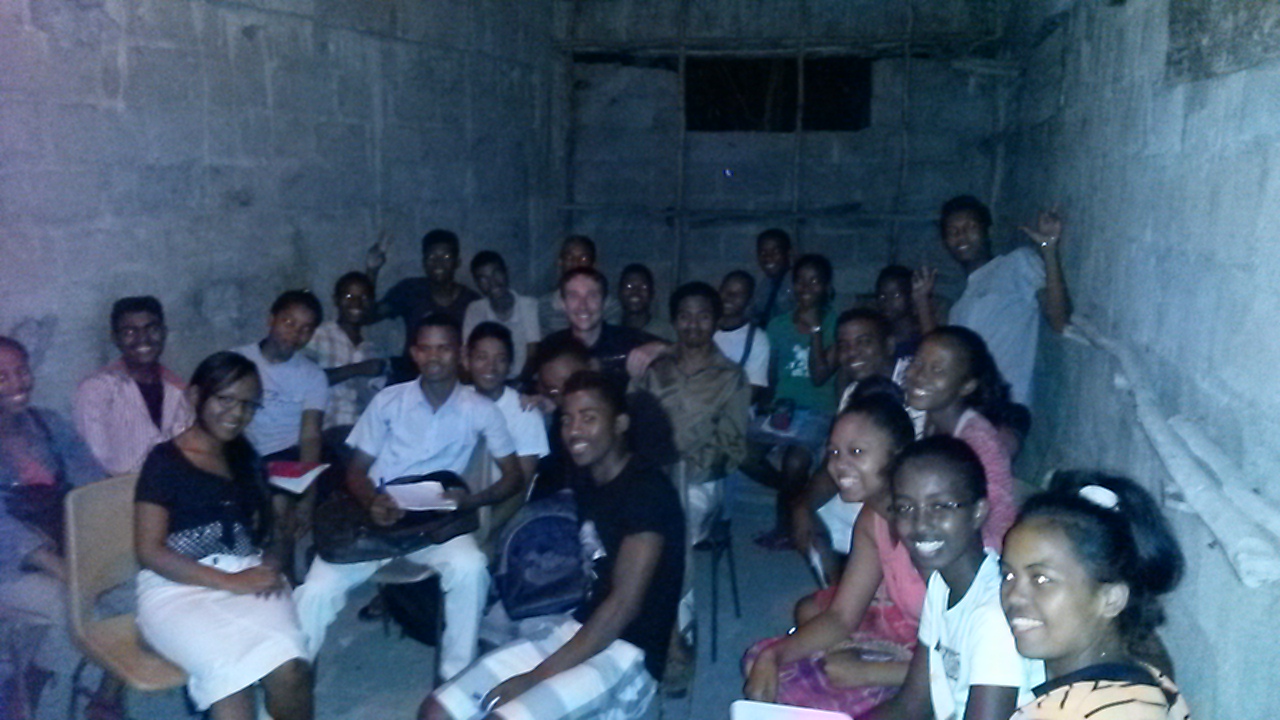
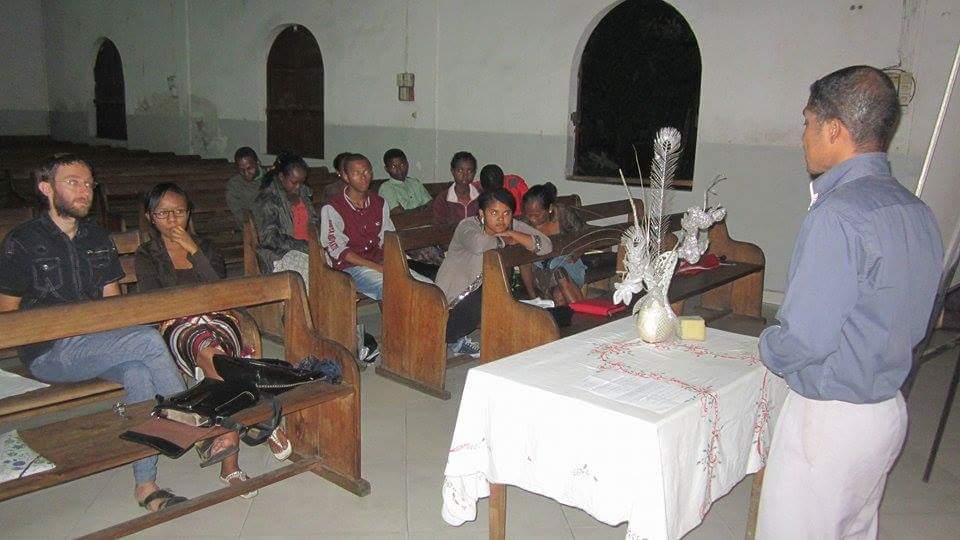
Something beautiful was growing in the ashes of my time on MercyShips. A lunchtime conversation with a day crew translator sparked an evening class for local teachers. 9 weekly sessions covered some key information for teachers with no training who had experienced a life of didactic teaching. Some topics included: What makes a good teacher, what is the purpose of education, active learning strategies, how people learn, critical thinking, Bloom’s taxonomy (with a focus on practical ways of bringing higher order thinking skills into the classroom), evaluation, formative assessment and feedback, preparing for exams, extracurricular activities, learning difficulties, parental involvement, lesson and course planning and classroom management.

For a trained teacher these things are pretty basic. But in Madagascar, many teachers have no initial training. Many primary teachers have never passed the final secondary exam, all they need to do to teach is pass the exam (50%=pass) at the level they are teaching. Didactic teaching (teacher lecturing and pupils copying) rules. And the drop out rate, particularly in rural communities is huge. Approximately 3% of students pass the equivalent of 3 AS-level exams compared to around  45% in the UK. (source). Many don’t even complete primary school. Not all of this is due to the education sector but better teaching will enable students to achieve more. I also hope to help teachers prepare students for real life by teaching skills and values that will help pupils succeed.
A trainee teacher presenting at graduation.

Graduation on land – a student sharing what he had learnt during the course

At the graduation ceremony I was deeply moved when students shared what they’d learnt. I worried students had learnt and implemented nothing from the course and teaching had been a waste of time. Some of the things they shared were:

  • My classroom is a lot calmer now I understand that some pupils have learning difficulties and I get less frustrated with them.
  • Students are more engaged in lessons now that I use active learning techniques like group discussions, fist to five, or having groups solve problems on a slate (mini-whiteboard but with chalk) to actively engage all students in class.
  • I have a better understanding of how to prepare students well for exams to ensure they get the best possible results.
  • I use my understanding of Bloom’s taxonomy to have tasks or questions in which students need to use higher order thinking skills to answer.

Once disembarked from the ship and having signed off articles (that pledge your allegiance to the captain etc…) there was little time to recruit schools for the next stage of my vision.

I planned to offer 10-week (1 session/week) training courses for teachers in Tamatave. But I only had a day and a half to recruit schools.

Working with my wonderful translator and a variety of other friends we’d met through the initial course we started to visit schools.

One by one…they said yes to training. However we were left with 2 schools that I really felt we should work with but had forgotten to arrange a visit to see the principals of.

Driving along the road we saw a familiar lady doing her shopping. We stopped to say ‘hi’ and she jumped in the car. Only then we realised we had intended to meet up for her to introduce us to the principals of both schools. She made introductions and we have training courses setup with those schools.

I see the hand of God in all this, the success of the first course, the enthusiastic reception from all the schools and the chance meeting with one important contact…it’s very exciting!

I expect to train 150-250 teachers between September and December.A little information about the teachers I’ll be training:

  • A Christian school with the vision for 60 new schools across Madagascar in the coming years.
  • A leading Catholic school, which obtains some of the best exam results in the city. Catholic schools are second only to the very expensive Lycee Francaise schools in Madagascar.
  • A secular school which houses and educates hundreds of orphans.
  • A ‘pricey’ ($30/month) private school that wishes to improve the quality of its education.
  • An open ‘level 2’ course for teachers who completed ‘level 1’ course.
  • An open ‘level 1’ course held in a small christian school for anyone who is not able to attend the other courses.
  • Some other weekend or short courses in more rural locations when the opportunity arises.

While training is important…it’s even more important to leave something useful behind after I leave. I’m working on producing a malagasy language teacher training guide. I also hope to leave behind a few teacher trainers who can earn a living wage from training teachers in the city and surrounds. Hopefully we can produce some online videos of the training too.

Help

You can help by:

  • Keeping in touch. I love hearing from friends, even if I’m run off my feet and struggling to write. Or pop in to see for yourself what I’m doing in Madagascar between September and December (travel from the UK is about £700).
  • If you like to pray…please pray for everything to work out God’s way.
  • Please consider financially supporting this programme. I estimate £20 will train 1 teacher. I’m looking to raise my expenses which will be around £3500.
  • If you’d like to donate to this project, go to http://www.paypal.me/RobertMacGregor. Or save transfer fees and ask for my UK bank details. Surplus gifts will be used to continue the programme or be given to the wonderful HELP madagascar.
  • If you know of any grant making organisations that would support work this, or you have experience writing grants, get in touch.
  • If you want to be part of a small, low key support team back in the west, let me know…I’m not sure what this will look like at the moment!

Further reading


Veloma Madagascar?

(goodbye madagascar)
Field service is almost over, what’s next? God has been saying ‘Trust Me’, and I’ve partially succeeded in relaxing and waiting to see what is next. Riding through Madagascar with a new cycling friend I realised how at home I feel here. The roadside vendors, pousse-pousse riders, taxi brousses with now familiar destinations, rice paddies and fruit trees are all recognisable and familiar. There is joy and sadness in the ride, joy at the simple beauty of the people, construction and landscape…sadness at the malnourished pot bellied child or people who lack basic education.

Since I joined the ship it has been on my heart to be involved capacity building with local teachers. Many years ago Bob Kibble inspired me that he became a teacher trainer, so he could make more of a difference in the Physics world than simply teaching classes. Here many teachers have no training apart from the ‘training’ the received by being students in their own schools. So with only a few weeks left in the country I’ve started a basic teacher education class on Wednesday nights in a local church. I mentioned it to two contacts and we had almost 20 attendees at the first session! Such is the hunger and desire to learn more about teaching.

Local teachers generally have a blackboard and up to 80 students to teach. No fancy resources, IT or textbooks. Photocopying (1p/copy) is too expensive for students so all gets written in their exercise books. I resolved to teach my course using only resources they would have, to avoid any suggestion that possession of fancy resources is the key to good teaching. After chatting to the attendees as they arrived, I made to start the session. Suddenly it became pitch black…power failure! and relief at having a low tech lesson. Undeterred I set my phone torch on the table shining toward the whiteboard and me and continued the session. Various lights arrived over the next two hours to supplement, battery torches, 12v battery lights, candles and eventually the pastor of the church venue brought his motorcycle and used the headlight to light the occasion!

Teaching English in a local English class

Teaching English in a local English class

Change is constant here. Friday saw me securing for sea, we may sail as early as Monday due to the appearance of an out of season Category 4 cyclone (125knot/140mph/230km/h). Currently the cyclone is predicted to follow a course where we are safe in port, however a change of course may mean we must leave at short notice. That means we have to prepare to split the school in 2, a land school and a ship school. Some students stay on land, others go to sea! I’ll remain on land, though any voyage would be safe yet interesting with the current sea state. We have secured the school to withstand 30 degree rolls… Sailing would be the least of our concerns. In the unlikely event of the cyclone making landfall tens of thousands of people would lose their crops, houses and possessions while we remain holed up in a concrete hotel.
I am in a privileged position here. I have an understanding of the reality of teaching in Madagascar, excellent local connections with many untrained teachers, some great translators and a church that has been all too willing to support a teacher training programme. I’m considering going home for a couple of months before returning in the autumn for just under 3 months to do some further teacher training, including some training for specialist science teachers. I’ll be connected relationally with some outstanding local NGOs but be here under my own steam. There are some possible part time paid opportunities that may pay the bills. *This is just an idea* right now, but most locals and experienced missionary expatriates think this is something that could work well. I’ll evaluate the teacher training course in a few weeks and if it is having a significant impact that will be an encouragement to return. Tamatave is a small city that is almost forgotten by many NGOs which are based in Antananarivo. That makes working here so much more valuable.

There are a number of other MercyShips staff looking to stay here and get involved in some of the incredible opportunities here. Some will work at the new Freedom from Fistula centre opening after we leave. Others may work planting self sufficient health care centres in rural villages or planting churches. Others may teach English or do something completely different.

If you pray, please pray for:

  • All MercyShips crew who are considering staying…that they will know if its the right thing to do.
  • The final weeks in Madagascar, for a successful end to the Field Service
  • For the hundreds of local staff we will leave behind, that they will find jobs or start new businesses.

Stories of Mercy

Hello! It’s been a while, sorry. I can’t quite believe it’s been more than two months. I’m going to share a few stories of transformative work done by people on this ship.

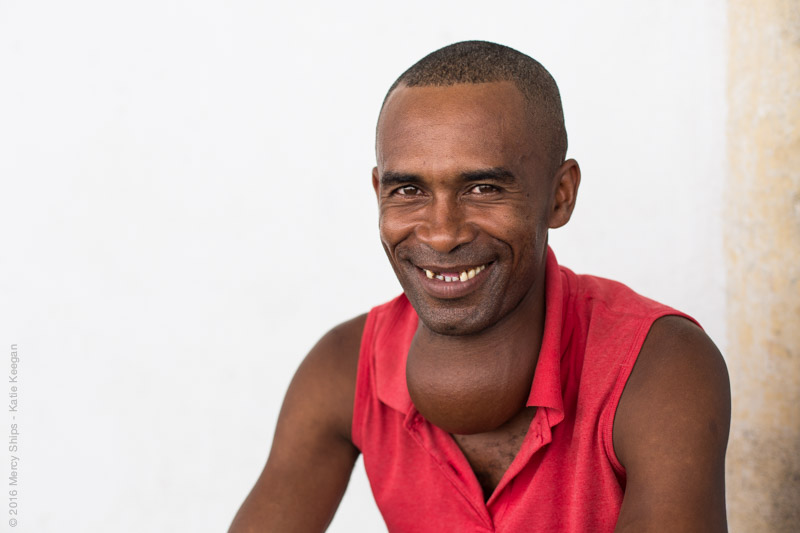
One of our surgeons shared some of the life transforming work we do here. Imagine living with a goitre (swelling in your neck) that grows to such a size that it causes you pain, potential death by suffocation and inability to move your neck.

©2016 Mercy Ships - Photo Credit Katie Keegan - Noely (MGC07175) before surgery

©2016 Mercy Ships – Photo Credit Katie Keegan – Noely before surgery

But that’s not the worst of your problems. A goitre is seen as a sign of being involved in evil or witchcraft and you are pushed to the edges of your local community. Your family and friends reject you and you have little hope for the future, you can’t afford surgery at your local hospital, a day’s difficult travel away. Your prospects are to die alone, painfully and unloved. But then you find yourself offered of a free surgery performed by a world class surgeon on a ship in Tamatave. The medical team is loving and you wake up and find the goitre gone, once again someone who can be loved by your own people. How wonderful it is to be part of an organisation that transforms lives in such a fabulous way. Many patients see the love of Jesus through the love of the staff on ship, and leave healed more than just physically.

Tim told me about the project to refurbish the operating theatres in the city we are based in. They were in very poor shape with equipment that made the jobs of the surgical staff difficult and dangerous. Now the theatres are well equipped  with solid equipment that should last many years and trained enthusiastic locals technicians to look after it. Local surgeons are delighted, and as a result this teaching hospital is one of the most attractive in the country to be a surgeon. See more about Tim’s organisation here: http://www.medaid.co.uk/

A side note on medical care in Madagascar. While operations and medical care is technically free, patients have to pay for all drugs and consumables used in their treatment at a varying cost across the country. For many local people this cost may be prohibitively expensive in a country where the average income is less than $1.50/day (2014 figures from world bank).

Capacity building is a big buzz word here. Ali travelled the country for much of the year training medical teams in key techniques that will significantly reduce surgical deaths. They donate and train hospitals in the use of pulse oxygenmeters. The WHO surgical checklist is also taught to the teams. When used both significantly improve the outcomes of surgery. They have seen an incredibly positive response from medical teams across the country. Read more at http://lifeboxjourneys.tumblr.com/post/110261120159/antananrivo-to-toamasina-and-back-again

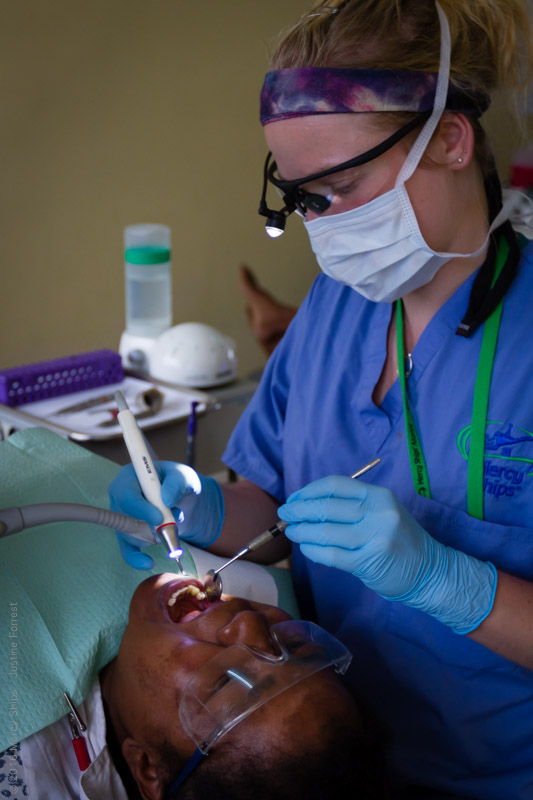
‘Why are you in prison?’, the dental team asked. ‘I murdered someone’.

©2016 Mercy Ships Photo Credit Justine Forrest; COM138 Heidi van Eijl (NLD) Dental Hygienist with dental equipment from EMS

©2016 Mercy Ships Photo Credit Justine Forrest; COM138 Heidi van Eijl (NLD) Dental Hygienist with dental equipment from EMS

The dental team was in the local prison, pulling many teeth in a terrible condition and educating the prisoners in dental care. Should they receive free dental care from us, or suffer for their crimes? Should we focus on treating those who are not so bad, or live like Jesus and love those we come into contact with no matter who they are and what they have done? Read more at https://saulogamarra.wordpress.com/

I’m coming towards the end of my time here, and thinking of the future. I love this country, the simple way of life here, the beautiful beaches and great bike rides. The friendly, warm people, the occasional tropical rainstorms and more commonly beautiful skies. But I don’t know there is much more I can give to Madagascar apart from a mandatory return visit in a few years. Currently I’m planning on travelling a little in Madagascar (wanna join me – June 2nd onwards, it’ll be an amazing adventure with a ‘local’ guide aka yours truly), thinking of riding round and exploring countryside, nature, villages, beaches and of course enjoying amazing local cusine… Then when I get back to the UK I’ll work out what to do next, thinking of working less than full time and doing some other useful work with the remaining time…

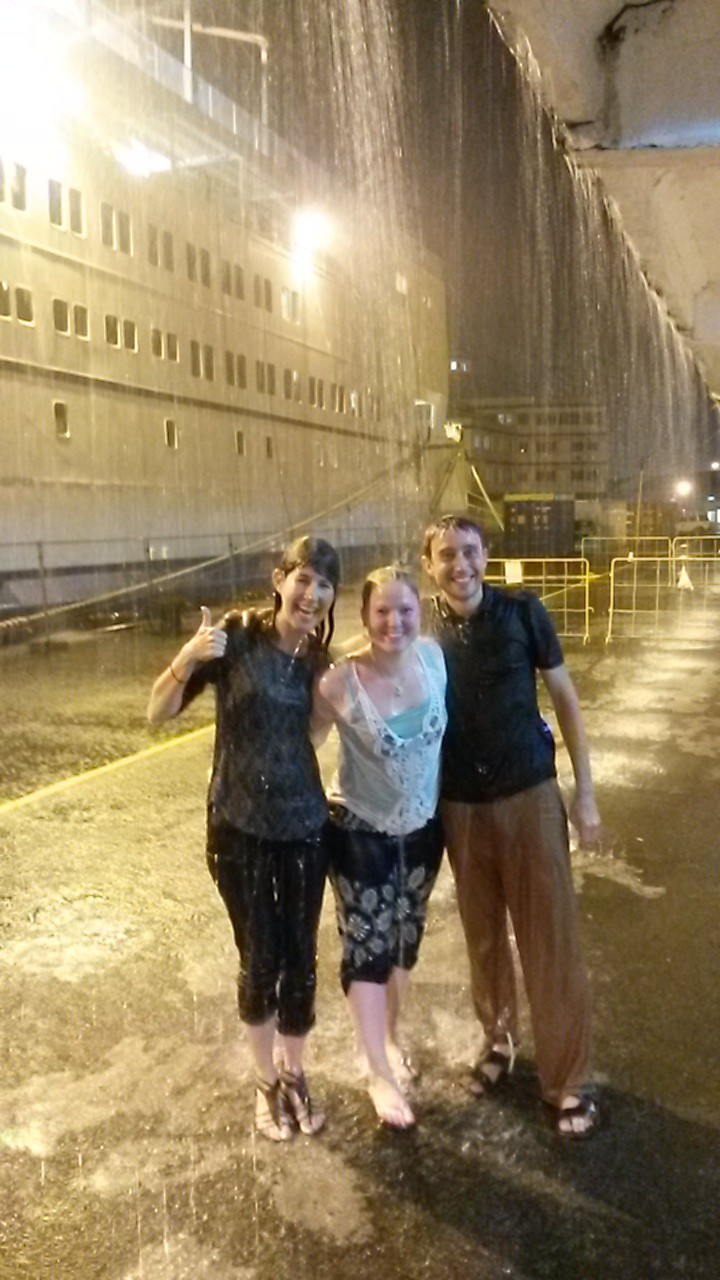
Tropical rain yay!!

Tropical rain yay!!

If you like to pray…

  • Give thanks for a great few months here, healthy, good teaching, great students, fun weekends and evenings…
  • Give thanks for the many successful operations and procedures that have been carried out here
  • Pray for continued successful work here for all on the ship in Tamatave
  • Pray for health for crew, there is lots of viral and bacterial illness around all the time.
  • Pray for everyone to have everything they need. We are very blessed here but rely on the generosity of many people to help us pay the bills, keep the lights on, sponsor our volunteers. Remember we are entirely a volunteer organisation, and everyone pays their own expenses. While I’m not looking for support, many people on ship would benefit…perhaps consider sponsoring someone!